PragmaClin
Overview
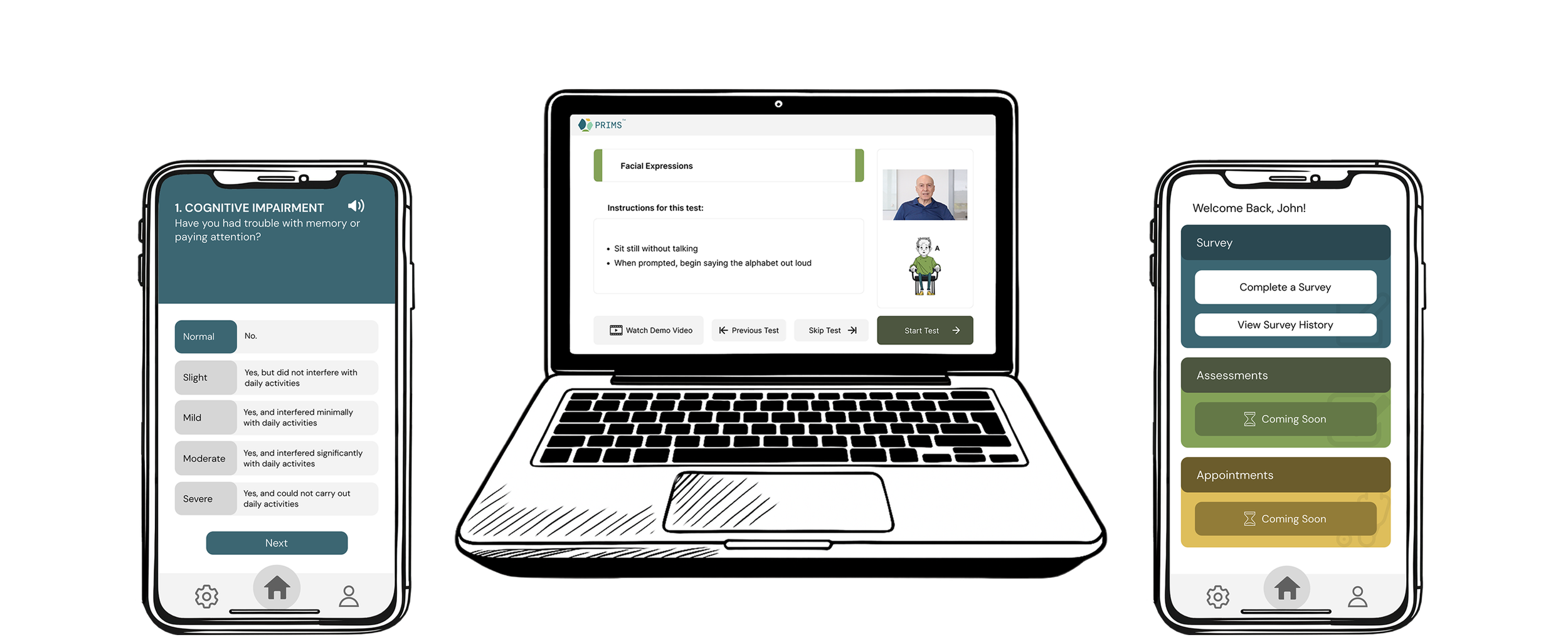
PragmaClin has a suite of products designed to help people with Parkinson’s Disease receive better care from their neurologists, family doctors, and physical therapists.
The main goal in all of their products is to empower the users to take proactive steps to improve their treatment by performing 3D camera based motor assessments at a regular frequency throughout the year. This product system is called “PRIMS”
Role
Junior Product Designer
Wireframing, Prototyping, User research, Visual design, Interaction design, Software development
August 2022 - January 2025
Background
Working at an early stage startup came with wonderful opportunities for growth, giving me the chance to wear many hats and contribute to many different stages of the build process.
I was the sole UI/UX designer at PragmaClin
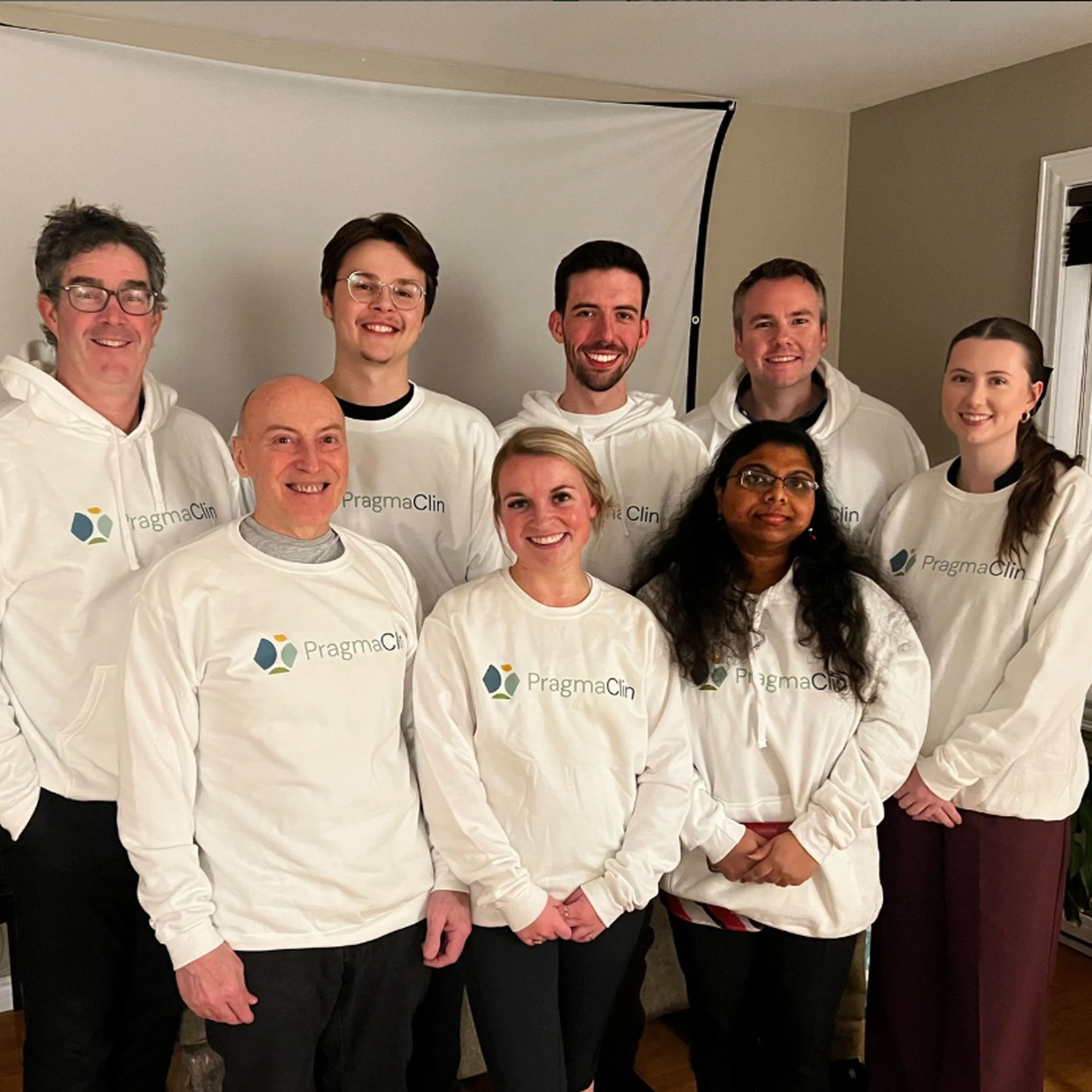
I joined PragmaClin when it was a small team comprised of the founders, two software developers, and a marketing lead. I owned the UI/UX design and front end development for the team when I began, and later expanded into product management and planning, with some customer discovery, graphic design, and social media management along the way. I was very fortunate to be a part of such an early stage, fast moving team and grew tremendously during my time there, some key achievements of which I have listed below:
Turned the founders’ ideas into real products. Collecting information from the stakeholders and quickly turning them into tangible prototypes is an exciting process. I worked closely with the executives to explore the possibilities of their idea and to help them organize their ideas into a structured product. Learning first hand about the iterative nature of design was an incredible learning experience as we worked together to make sure the company’s vision came to life, even when we had to go back to the drawing board and try again.
Witnessed how our product affected users in real time. One of my many roles was to run our motor assessments with real people with Parkinson’s Disease to collect feedback on the design, and to collect 3D data for our AI algorithms. Over the months, I got to know these participants well, and gained a deep understanding of their day-to-day issues, which was integral to designing products to suit their needs.
Managed all aspects of company branding. When I joined the team, their brand guide and voice had not yet been established. As the UI/UX designer, I was given the opportunity to build this all from scratch. Throughout the design process I introduced a consistent design system that was specially built to accommodate our users who experience the symptoms of a motor disorder, which greatly affects how they interact with most digital products.

Understanding the problem
When I was in elementary school, my grandfather was diagnosed with Parkinson’s Disease, so I had a basic understanding of how it can affect people’s lives. The co-founder of PragmaClin also has Parkinson’s Disease, so with insights from him and his contacts in local groups, we were able to gain an even deeper understanding of how the disease affects people’s lives, and how we can help them.
We decided to focus on improving the efficiency of their visits to their specialist, since most people only get to see their neurologists about once a year.
After listening to both patients and neurologists, we discovered these top frustrations:
Wait times: People with Parkinson’s Disease aren’t able to see their neurologist frequently. During these appointments, they perform a standardized motor assessment to determine the severity of their symptoms, and decide if their medication needs to be adjusted. The issue with having these appointments only once a year is that Parkinson’s symptoms can change day to day; some days are worse than others. This means a visit to the neurologist may not provide an accurate representation of their overall condition.
Patients want more self monitoring: Like many others affected by diseases, people with Parkinson’s value their independence, and often enjoy taking proactive steps to manage and monitor their condition. Along with going to physio and group classes, they want to track their day to day activities to identify patterns in how their actions affect their symptoms.
Appointment length: Neurologists expressed that the amount of time they spend performing the motor assessment cuts down on the amount of time they can spend listening to the patient and hearing more about their specific issues. We also discovered that many clinics - especially privately owned clinics - are interested in increasing turnaround by increasing the efficiency of their appointments.
Differences in assessment styles: All neurologists follow the same standardized guideline for motor assessments - the MDS-UPDRS - but over the years they make modifications within their own practice. This introduces a variation to each neurologist’s assessment of the same patient. For the most accurate assessment, a standardized, objective measurement would be beneficial to produce the most accurate results.
User Personas
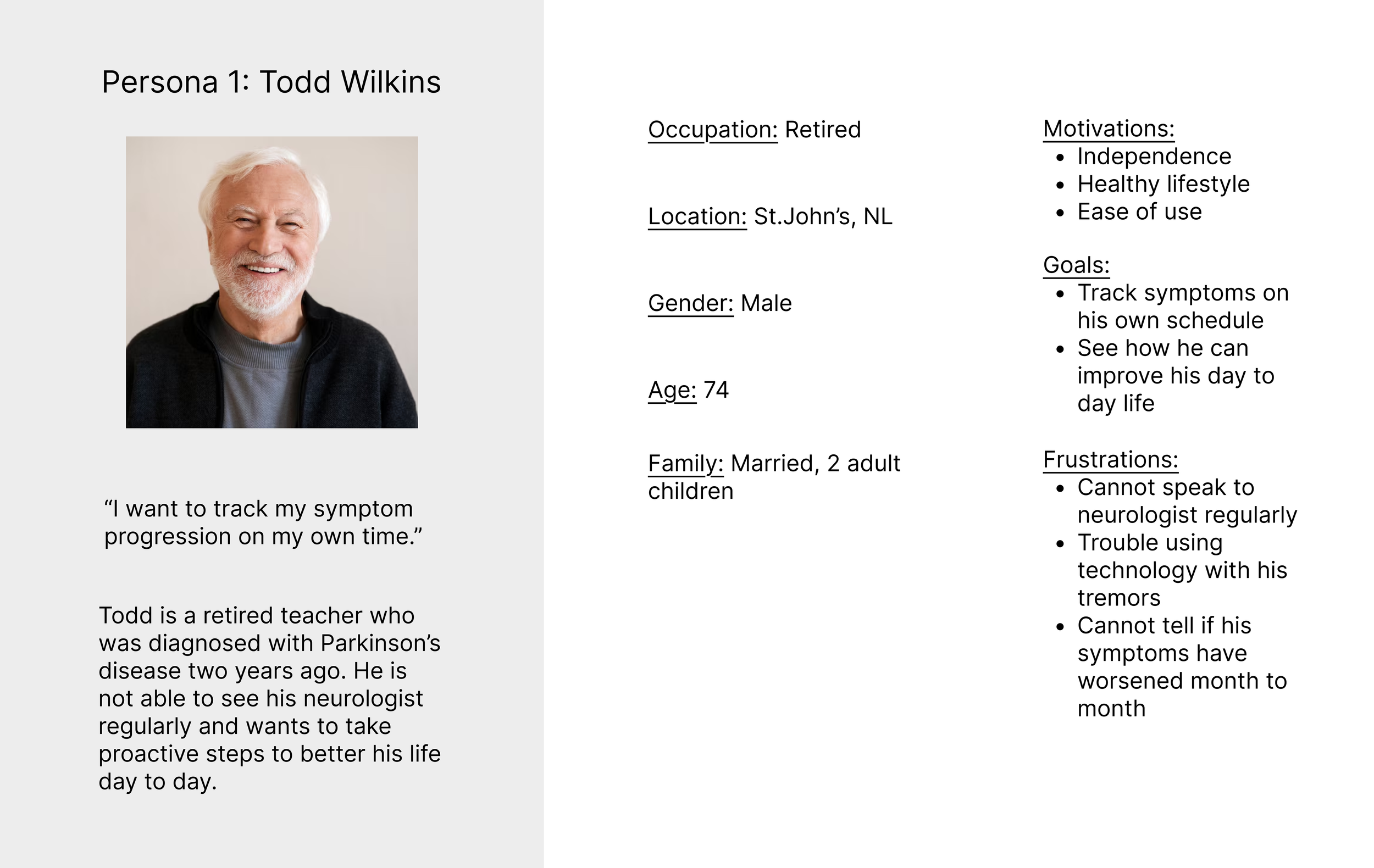
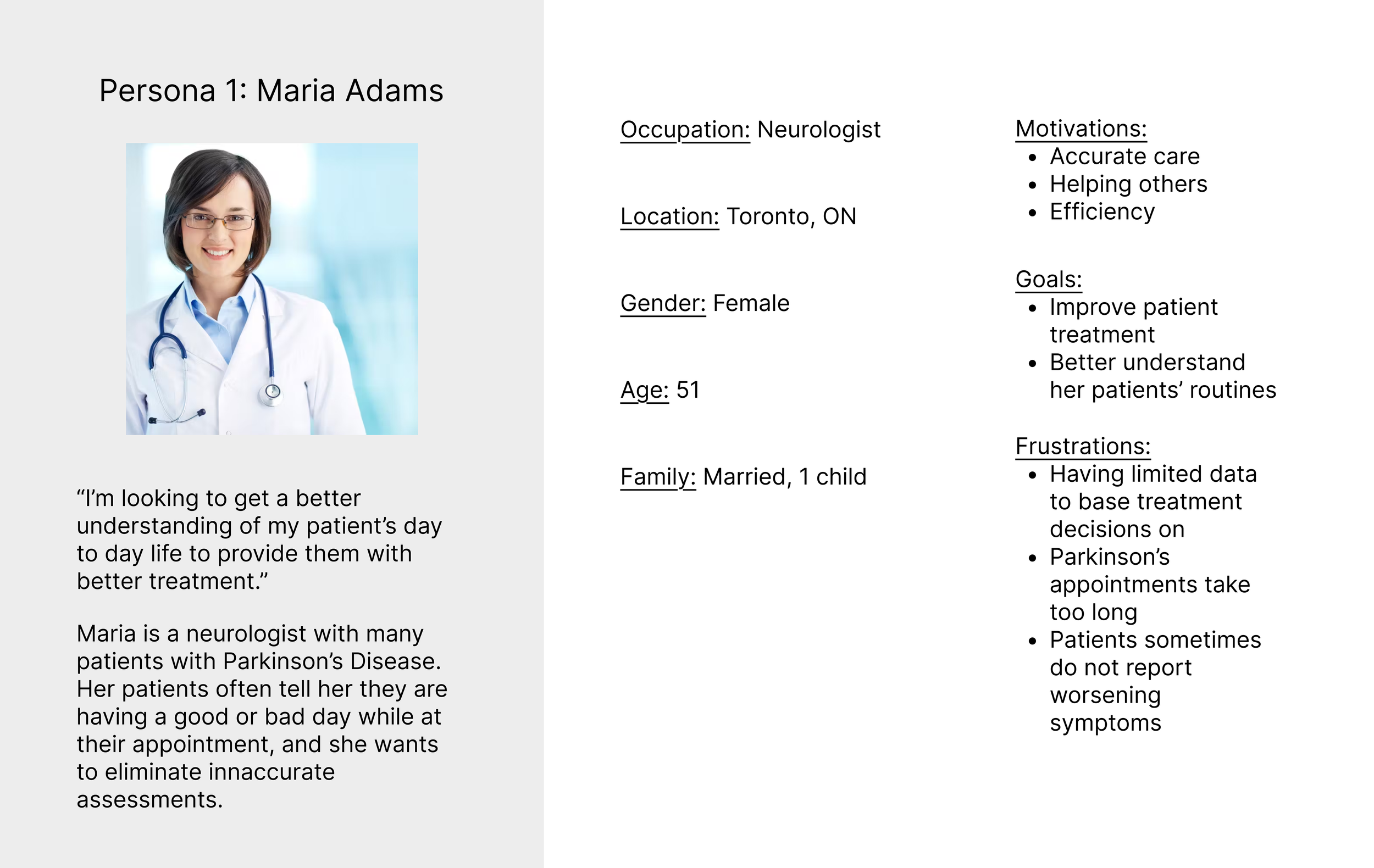
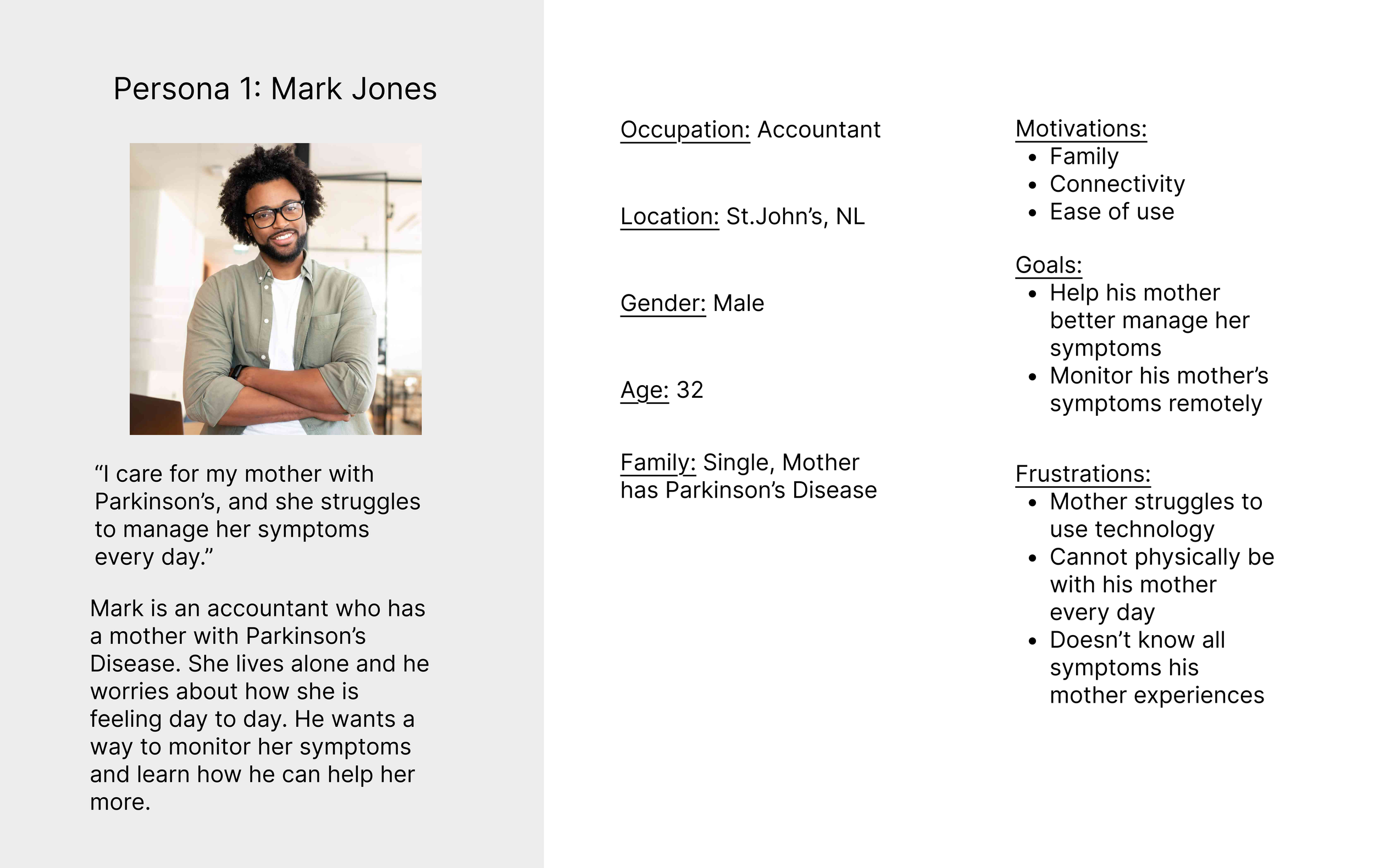
Based on our research, we recognized that there were 3 key user types that our product tried to solve problems for. We mainly focused on persona 1 and 2 as their needs were the most common among our intended users.
Wireframes and Designs
Being a part of an early stage startup with a small team, our resources and time were limited. This means that iteration and revisiting old designs was a frequent occurrence, which helped me improve the product each and every time we went back to the drawing board. Over the course of two and a half years, I designed four different portals for PragmaClin: Patient portal, Clinician portal, Researcher portal, and Motor assessment portal.
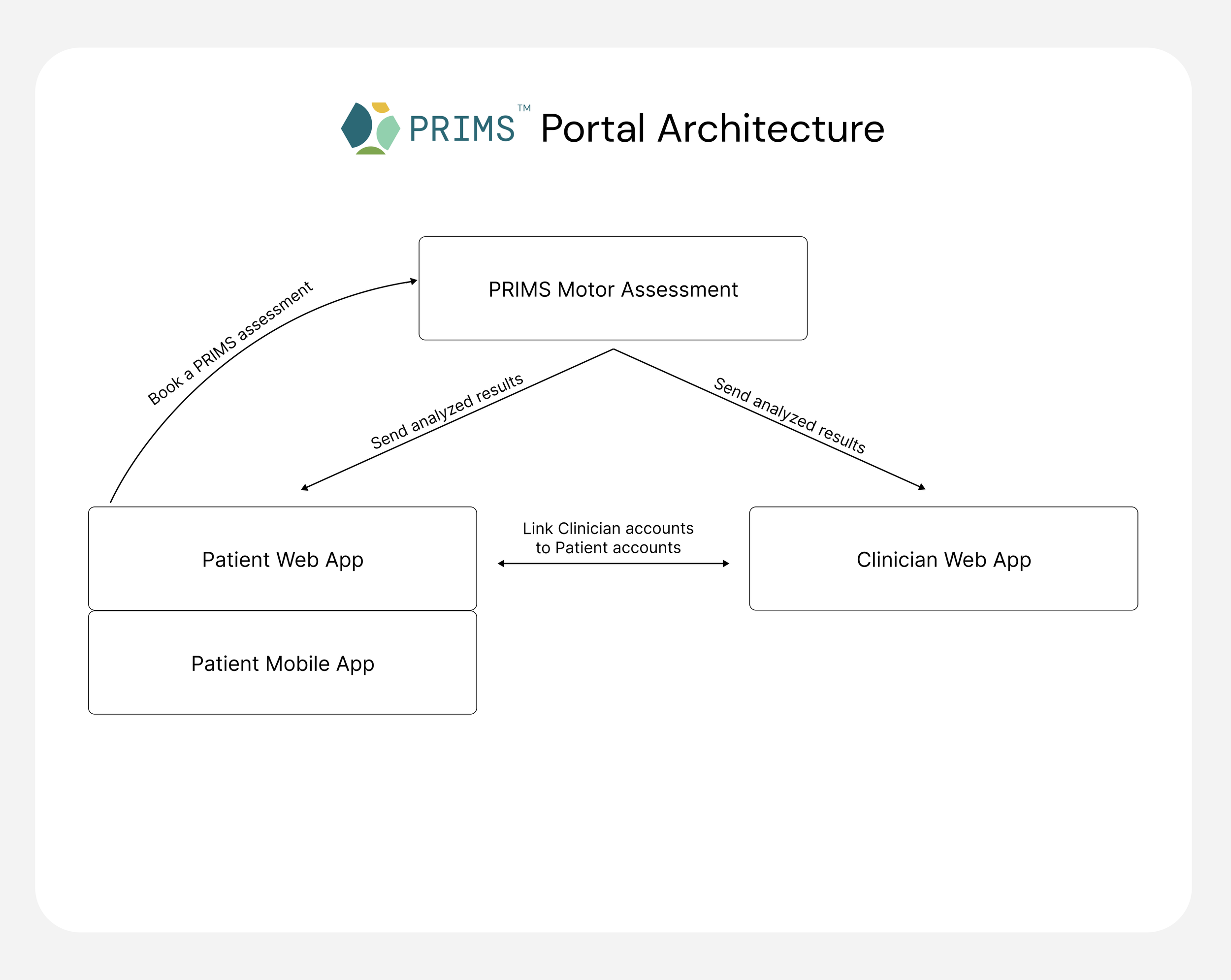
Each portal had it’s own purpose and it’s own architecture, and each of them were connected to each other to allow for communication to and from each portal.
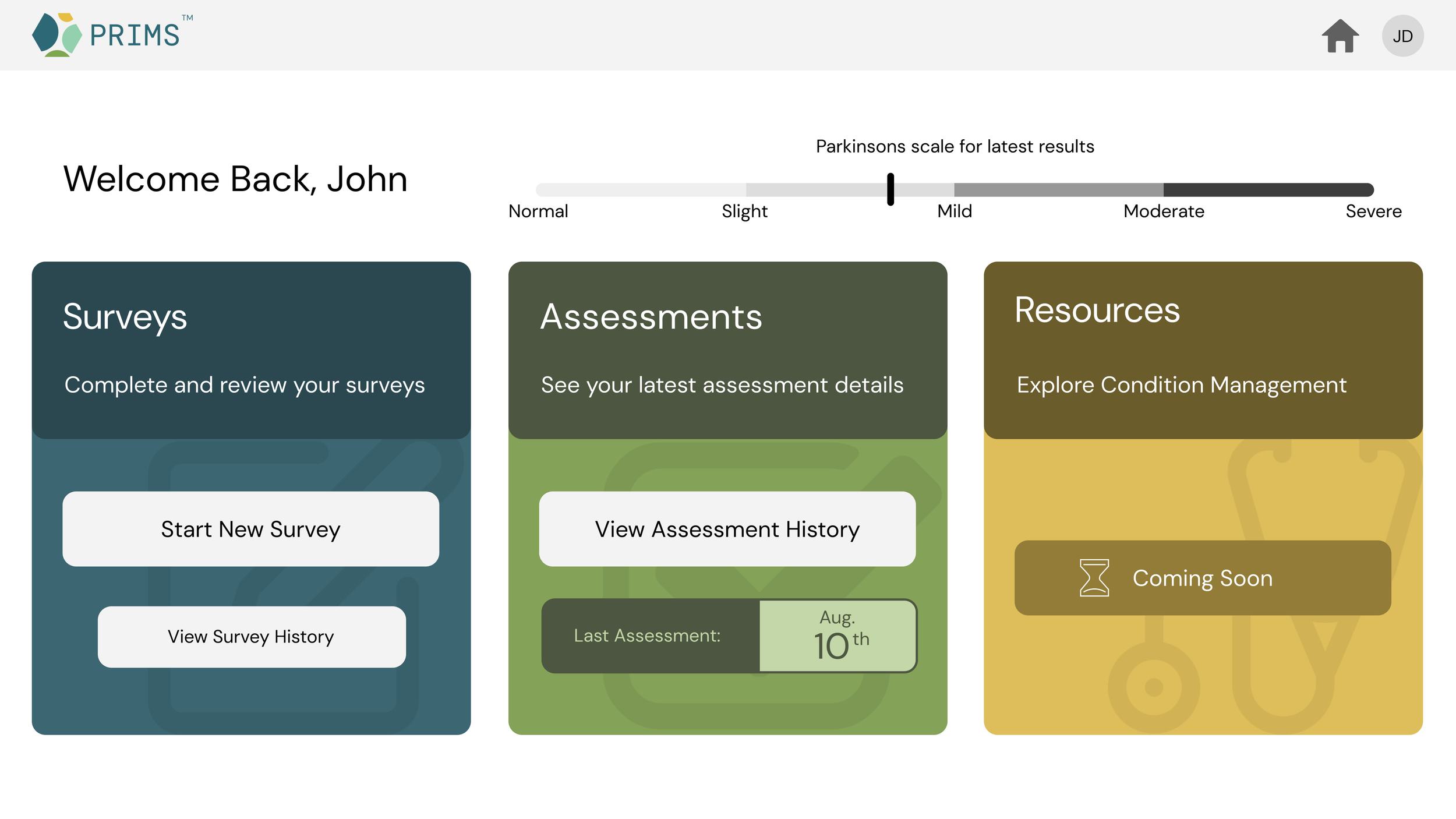
For the brand, I wanted to create a friendly and straightforward atmosphere with clear colour coding and big buttons, all to accommodate users who may be unfamiliar with technology, and may be living with the symptoms of Parkinson’s Disease.
Patient Home Page
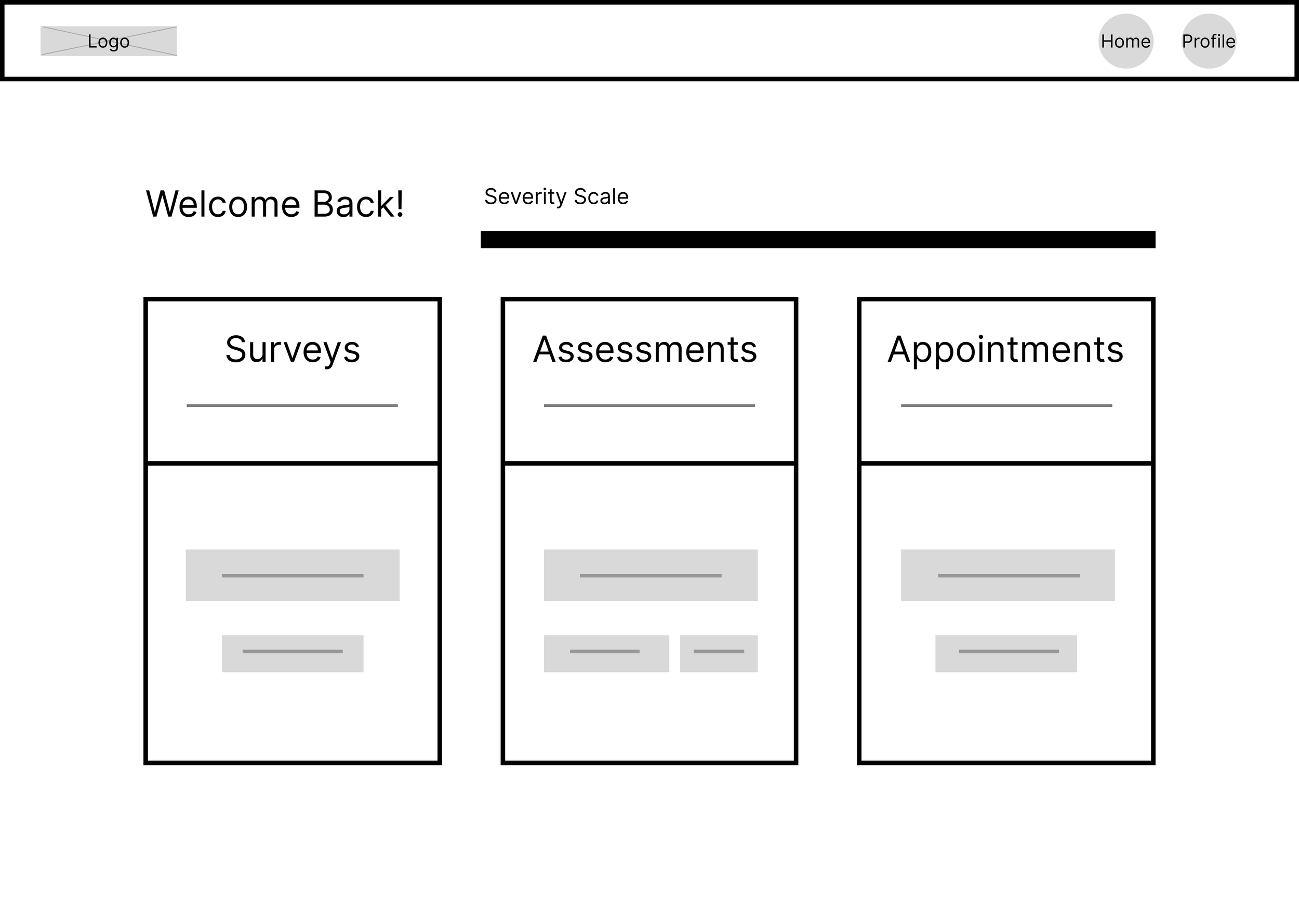
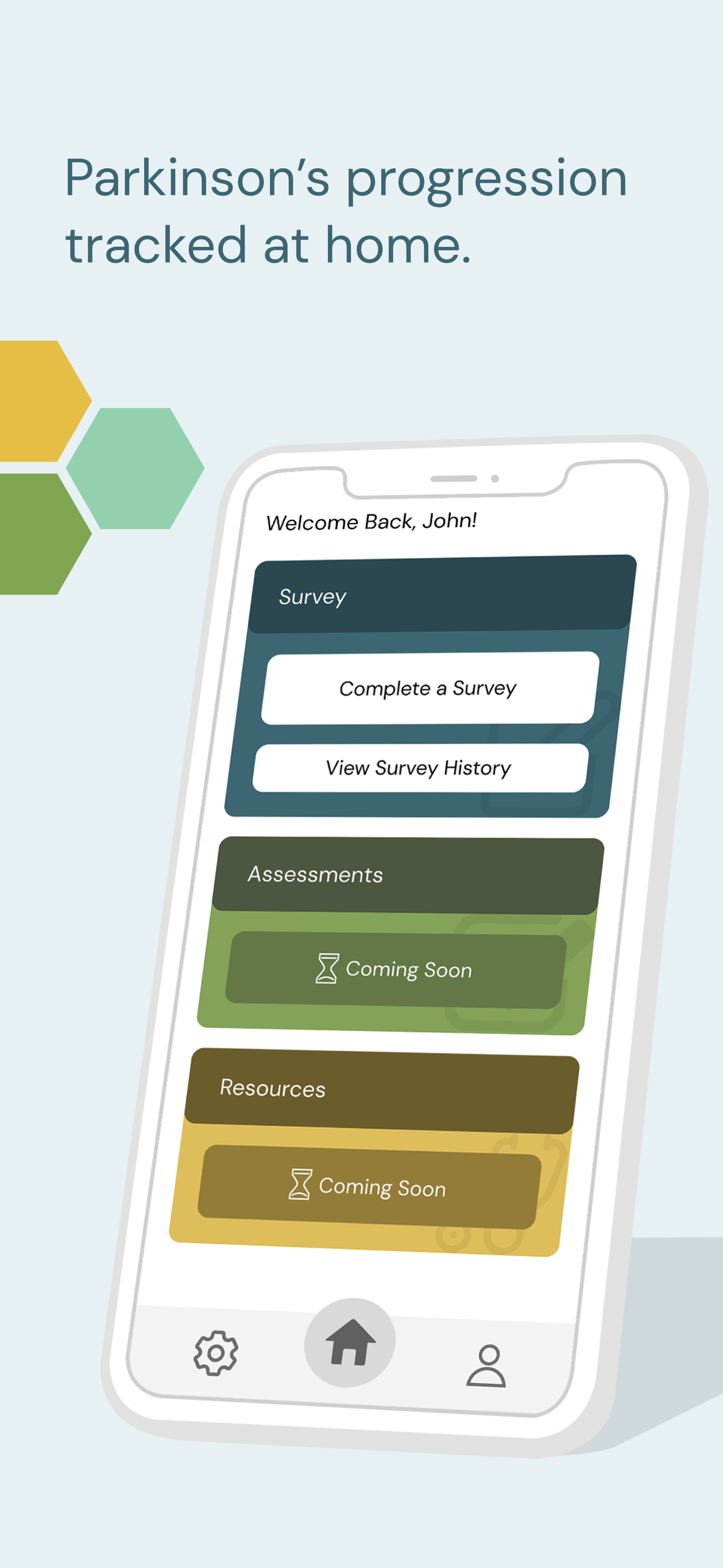
The patient portal’s home page is the main source of navigation for users who want to track their own Parkinson’s Disease symptoms, and review their PRIMS motor assessment results. Each menu featured on this screen leads to user flows that follow their own consistent colour scheme to allow for easier navigation and provide clarity to users who may not be used to using online portals.
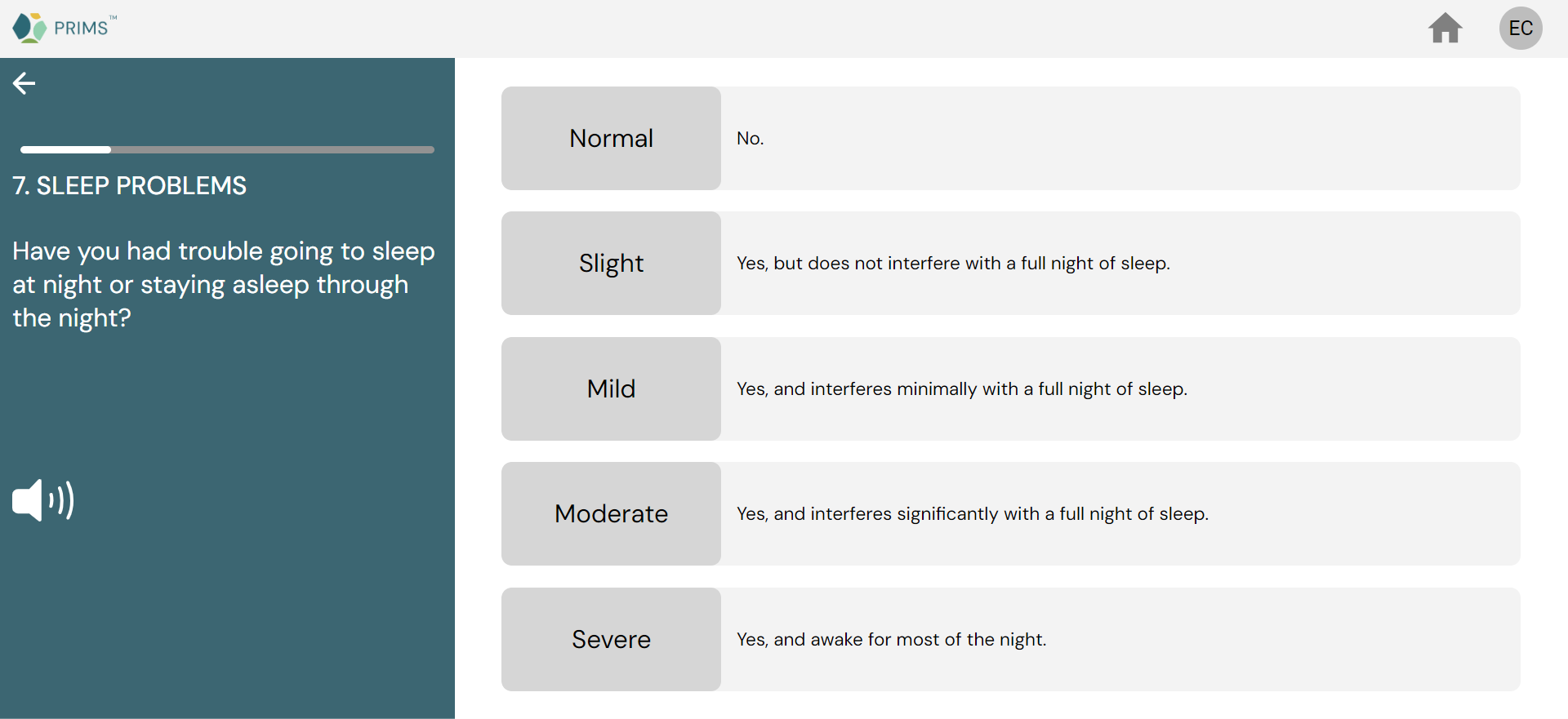
Patient Survey Page
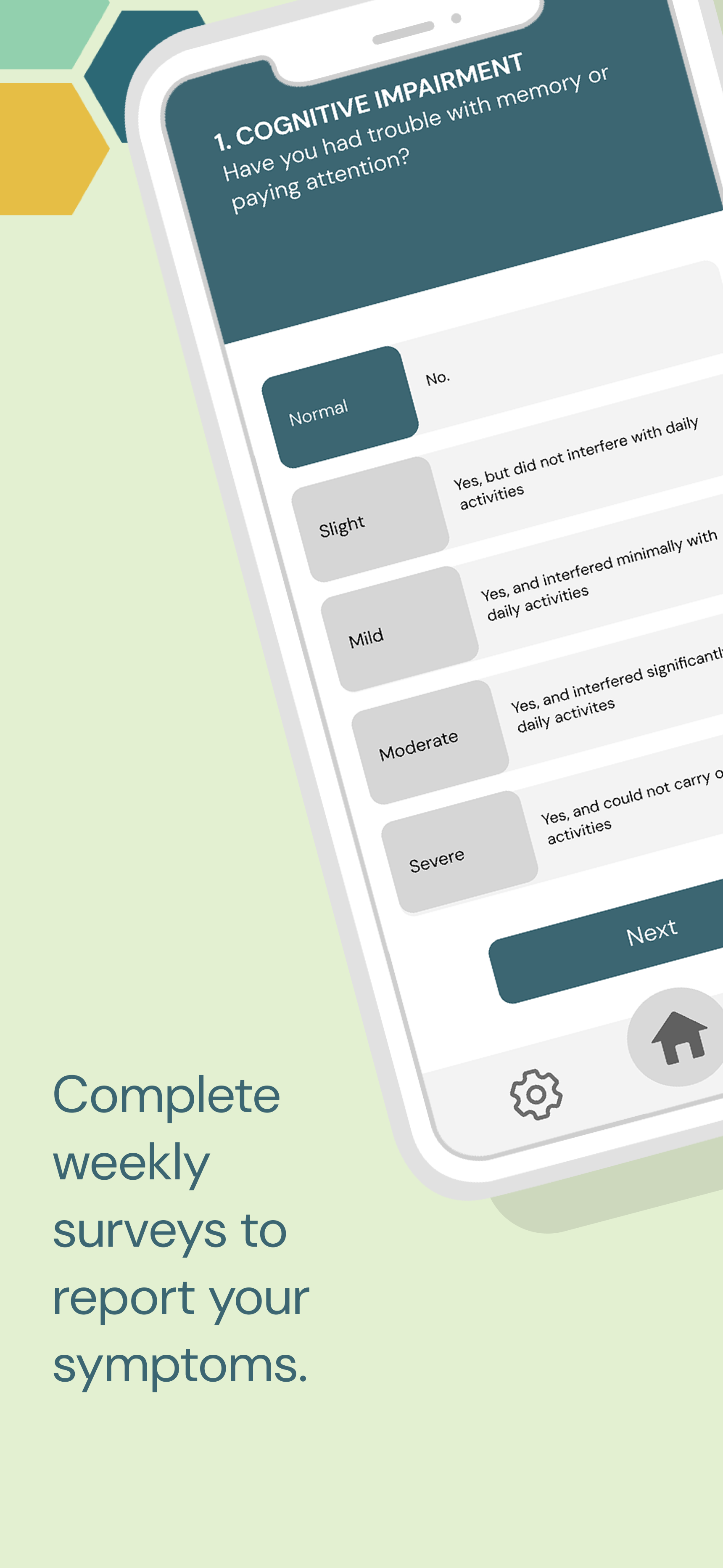
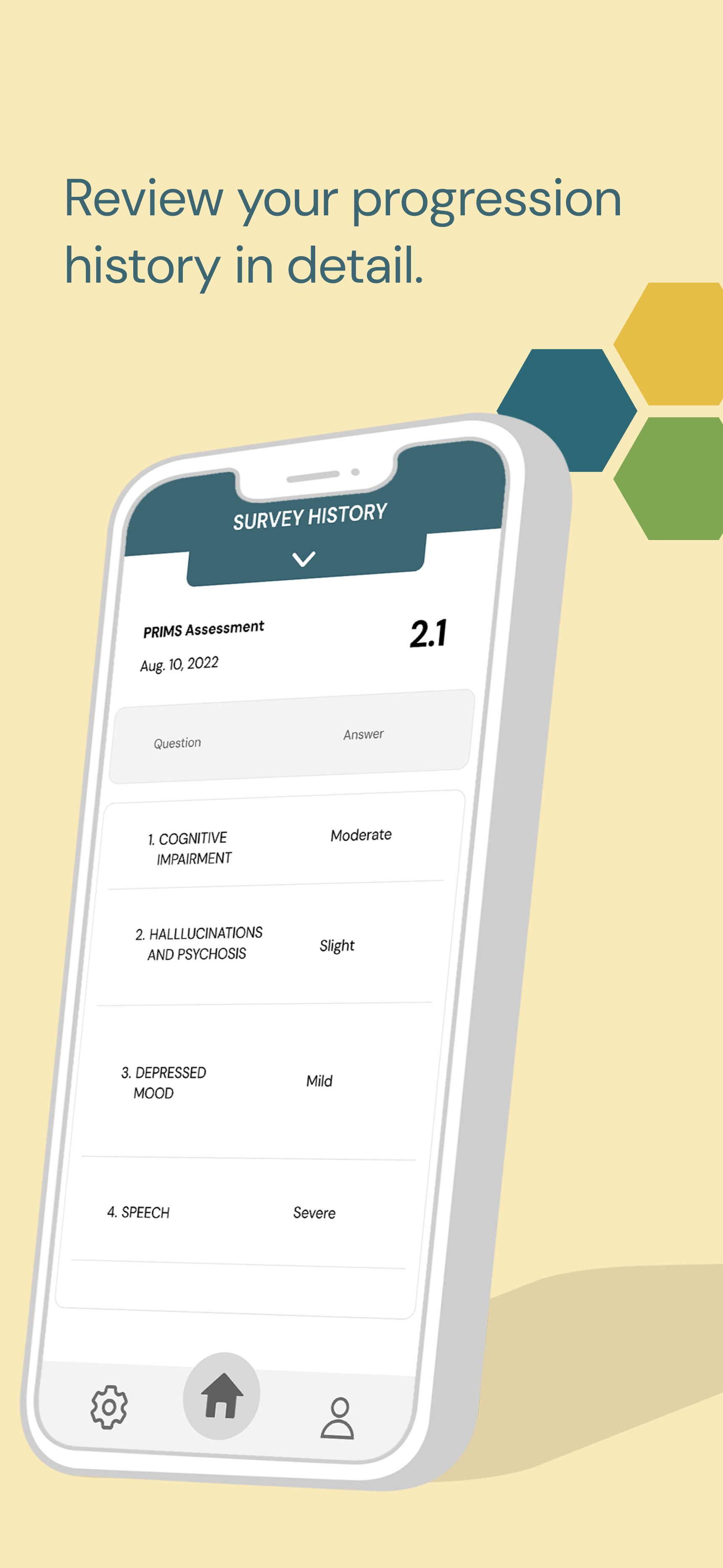
Patients using the Patient Portal have the ability to complete daily surveys to report the severity of their symptoms and review their answers over time in the survey history page.
Motor Assessment Page
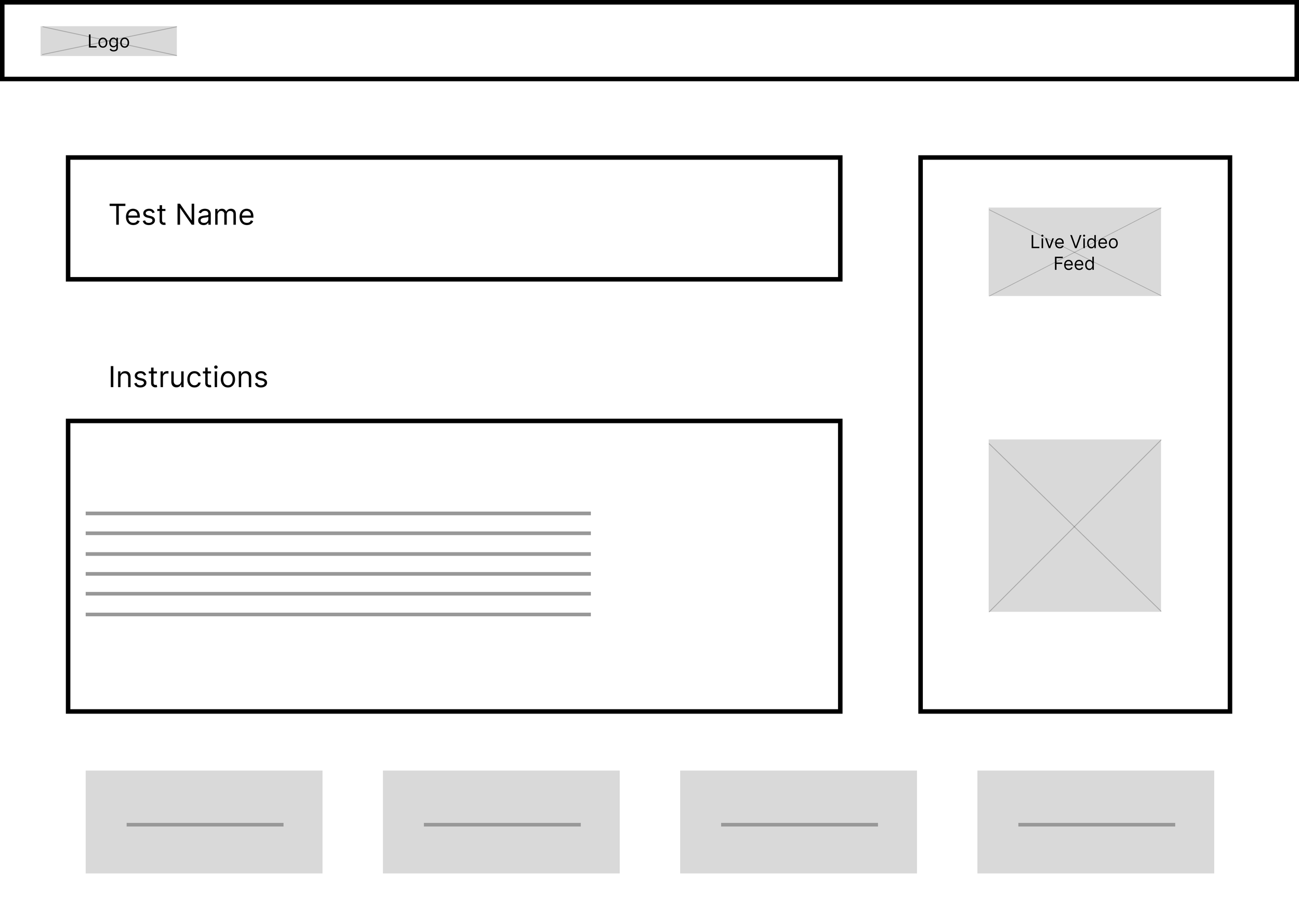
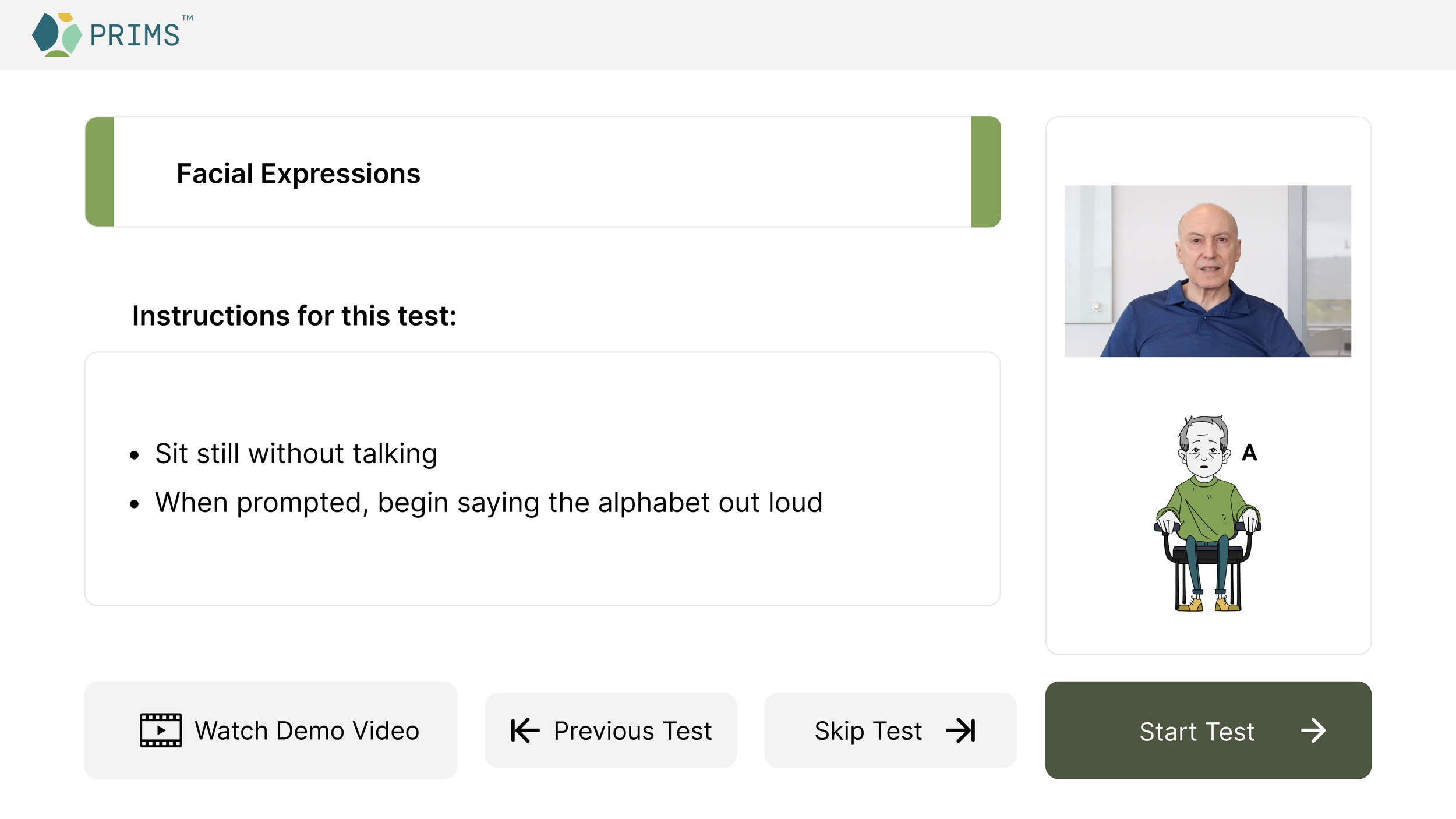
When patients come to their local clinic, they complete the PRIMS motor assessment, which uses 3D cameras and AI scoring algorithms to provide an objective, standardized severity score that their neurologist can review at any time. This page includes all action buttons to navigate the assessment, as well as instructions and an animation to demonstrate how to perform the movement.
Clinician Portal
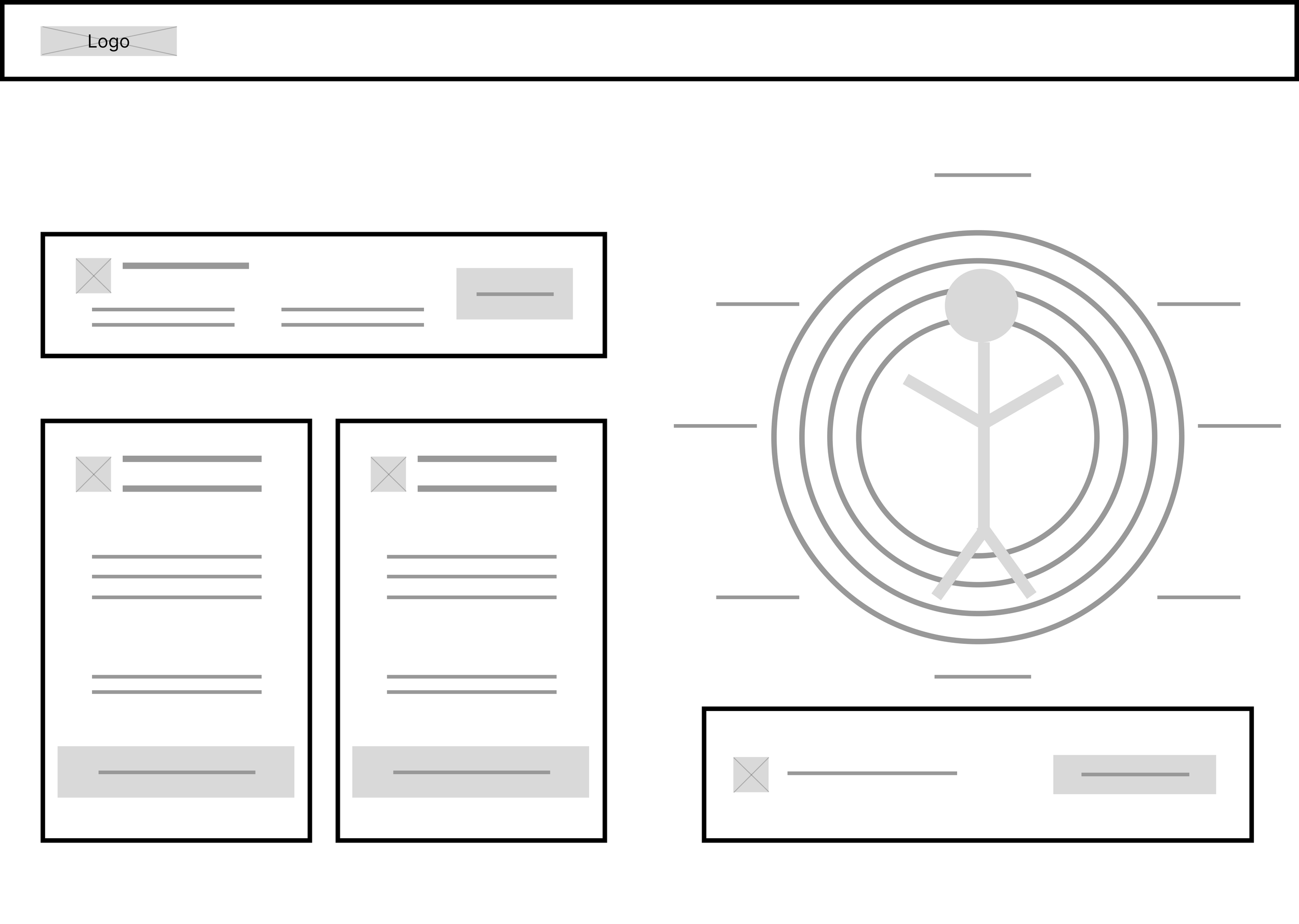
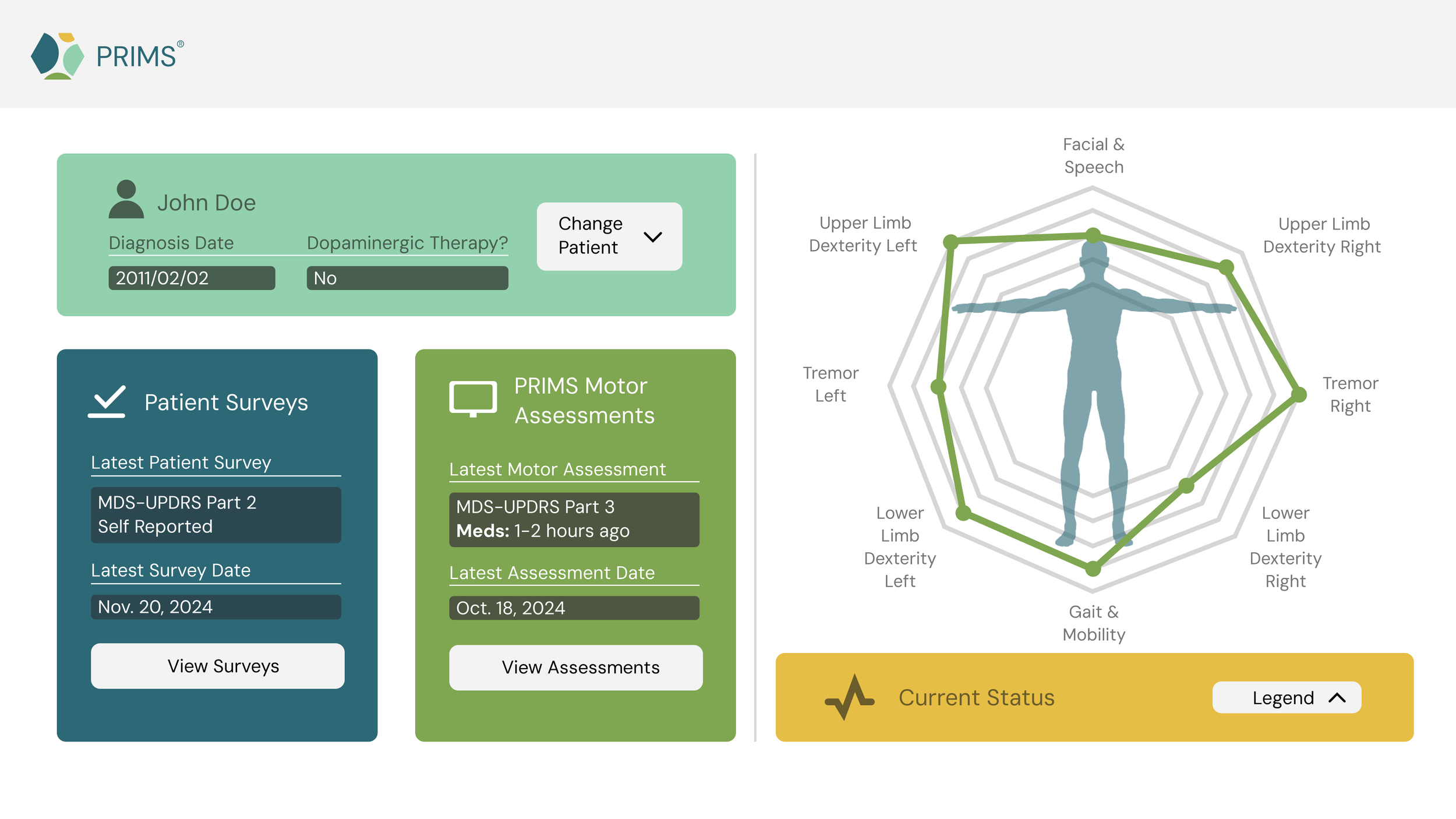
This is the portal that health care providers such as neurologists would access to review a patient’s latest scores provided by the PRIMS assessment. They are able to perform a deep dive into the results to provide better treatments to their patients.
The Product Vision
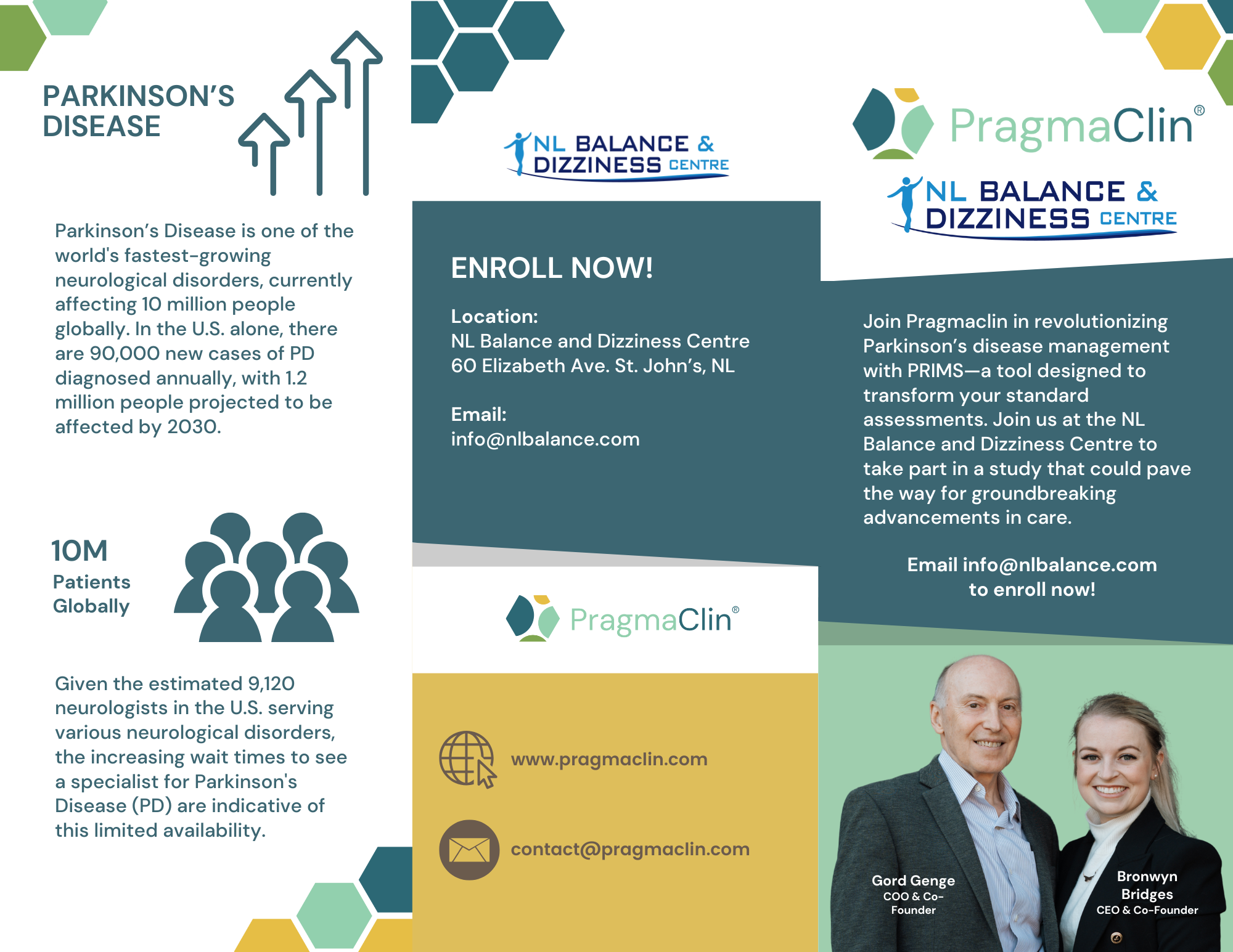
Along with being the UI/UX designer and Junior Product Designer, I was also in charge of creating pitch decks, promotional material, website designs, social media content, and more for the company to effectively communicate the features of the product.

Results and Takeaways
Being the sole designer in an early stage startup offered a lot of learning experiences that evolved alongside the product.
Some key takeaways from this project are:
Properly triage new ideas and solutions. In a startup where there are endless possibilities to explore, it’s easy to get excited and be tempted to rush past the proper steps. Ensuring that you take a step back to research and define new features is critical to making meaningful changes to the product.
Create multiple rough sketches before wireframing. When brainstorming solutions to the problem at hand, it is beneficial to sketch out multiple solutions, then compile the best parts of each into one. This is a great way to involve the whole team to gather ideas and reduces tunnel vision.